Children, Screens, and ALAN: Adolescent Chronobiology in Crisis
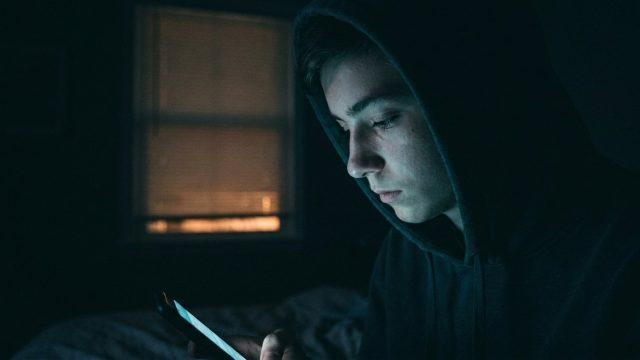
Young eyes are not small adult eyes. A ten-year-old’s crystalline lens passes approximately 85–90% of incoming blue light at 480 nm directly to the retina — where the ipRGC…
Young eyes are not small adult eyes. A ten-year-old’s crystalline lens passes approximately 85–90% of incoming blue light at 480 nm directly to the retina — where the ipRGC…
In 1987, Richard G. Stevens published a hypothesis in the American Journal of Epidemiology: electric light at night, by suppressing melatonin, might be driving the rise in breast…
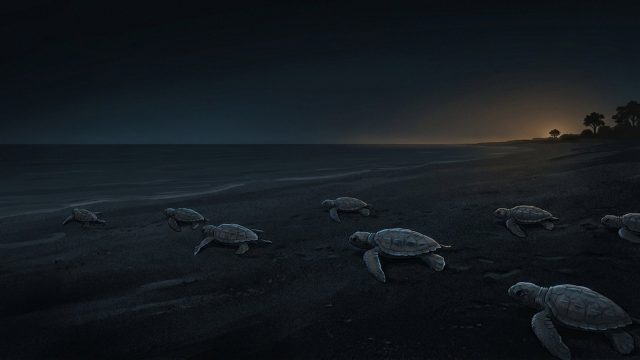
For roughly 150 million years, sea turtle hatchlings have found the ocean the same way: by moving toward the brightest, lowest point on the horizon — under natural…
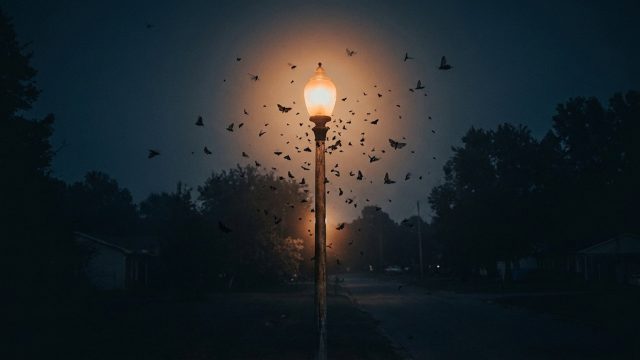
One streetlight. Several hundred insects per night — drawn in, exhausted circling, dead before dawn. Knop et al. (2017, Nature 548:206–209) quantified what happens at the ecosystem level:…
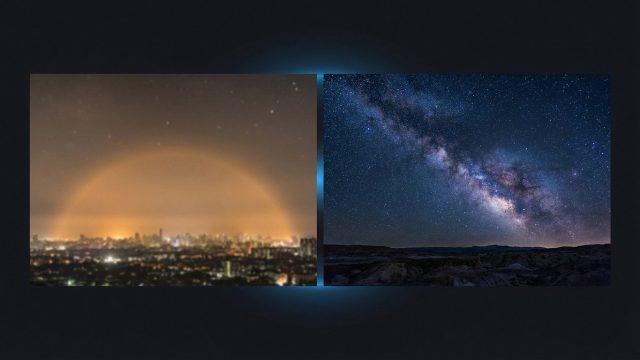
In June 2023, researchers Aparna Venkatesan and John C. Barentine published a two-page e-Letter in Science — a response to Kyba et al.’s finding that stellar visibility across…
EN 13201 is Europe’s harmonised road-lighting standard — the document that defines what a compliant street lamp must deliver in terms of luminance, uniformity, and glare control. It…
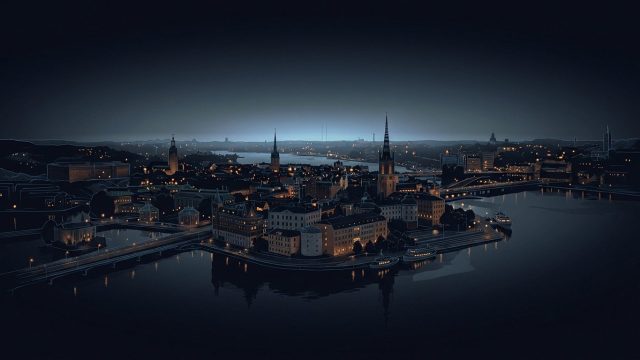
The human circadian system evolved under a reliable pattern: bright days, dark nights, seasonal variation in photoperiod. Scandinavia inverts that pattern every year — twice. Two months of…
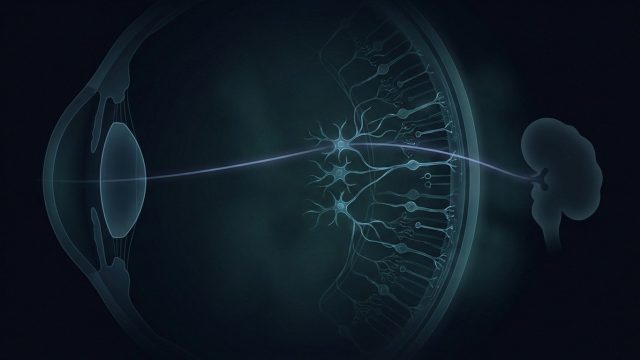
A photon enters the eye. Not a rod. Not a cone. A third class of retinal cell — the intrinsically photosensitive retinal ganglion cell, or ipRGC — absorbs…
France is the only EU member state whose national outdoor lighting law has produced documented, measured reductions in sky brightness. The Arrêté du 27 décembre 2018 relatif à…
Between 2013 and 2016, Loss of the Night Network (LoNNe) — COST Action ES1204 — coordinated four field intercomparison campaigns at European sites ranging from Bortle 2 island…